Construction Business QuickBooks CleanupRead this before a file is opened
One page for what a cleanup may claim, which contract clocks it will cite, and which signatures stay at another firm.
See job costWhere do these sentences come from?
Pages on this site are researched from the practice's own work and Texas sources, drafted with software assistance, and reviewed under the practice's editorial standards. If you find an error, tell us and we will fix it.
A job page stays published only while it still matches the boundary lower on this page. No client's balance is reprinted here. No private contract is reprinted here. Someone else's finished job is never held up as the result you should expect. An example on these pages shows how a job is shaped and never a dollar amount from anyone's books.
When a builder page mentions a public rule, the office that prints that rule is named beside it. A percent heard on a phone call stays off these pages until that office is named. If the office later changes the rule, the page is edited to follow, after a builder calls the footer number and names the page. A clock that belongs to one state is written on the state page, so a builder in any other state is not handed a percent that is not theirs.
What may a cleanup page say?
It may describe the sorting. A lumber bill moves onto the job that used the lumber. A draw is divided between suppliers still waiting and whatever remains after those bills. A person matches the bank to that same month. An item nobody can name yet stays on a visible list instead of being folded into profit so the month looks finished.
A page here will not announce what your jobs earned, because your lumber bills and draw packets are not published on these pages. It will not tell a lender to accept the file, and it will not tell a surety that the jobs are sound. A lender and a surety read the closed months themselves. A paragraph on this address does not speak for them.
Which clocks will a builder page cite?
On a house, one price that does not separate labor from materials often follows a different sales tax path from a bill that does separate them. On a shop, an office, or a parking lot, repair and a remodel are often taxed on the whole charge, and scheduled upkeep is not the same event as a new roof. The contract and the public office that publishes the rule for that state decide the path. A prettier account name does not. This page will not pretend one state's published treatment is the rule in every state.
While a private job is underway, many contracts hold back a slice until the work is accepted. That slice is still waiting. After a proper written pay request, the contract names how many days the owner has, and how many days the next tier has to pass its share along. A page here may describe that habit. It may not invent a percent or a day count because a job feels special. Where a state writes its own percent and its own days, those figures live on the state page.
A mood about a crew, a weather day, or a lender is described as a mood. It is never promoted into a figure this address invented. A long job still open in December is often counted as it is built. A house can follow another rule. We ask which rule the return already uses before the books are aimed somewhere new.
What must stay true for a page to remain?
Each construction page should make its own claim obvious to the builder who is reading it. Work this address offers stays inside the unsigned boundary written below. An illustration stays an illustration, and no client's job is hidden inside the example. If a sentence would need a license this practice does not hold, that sentence comes off the construction page.
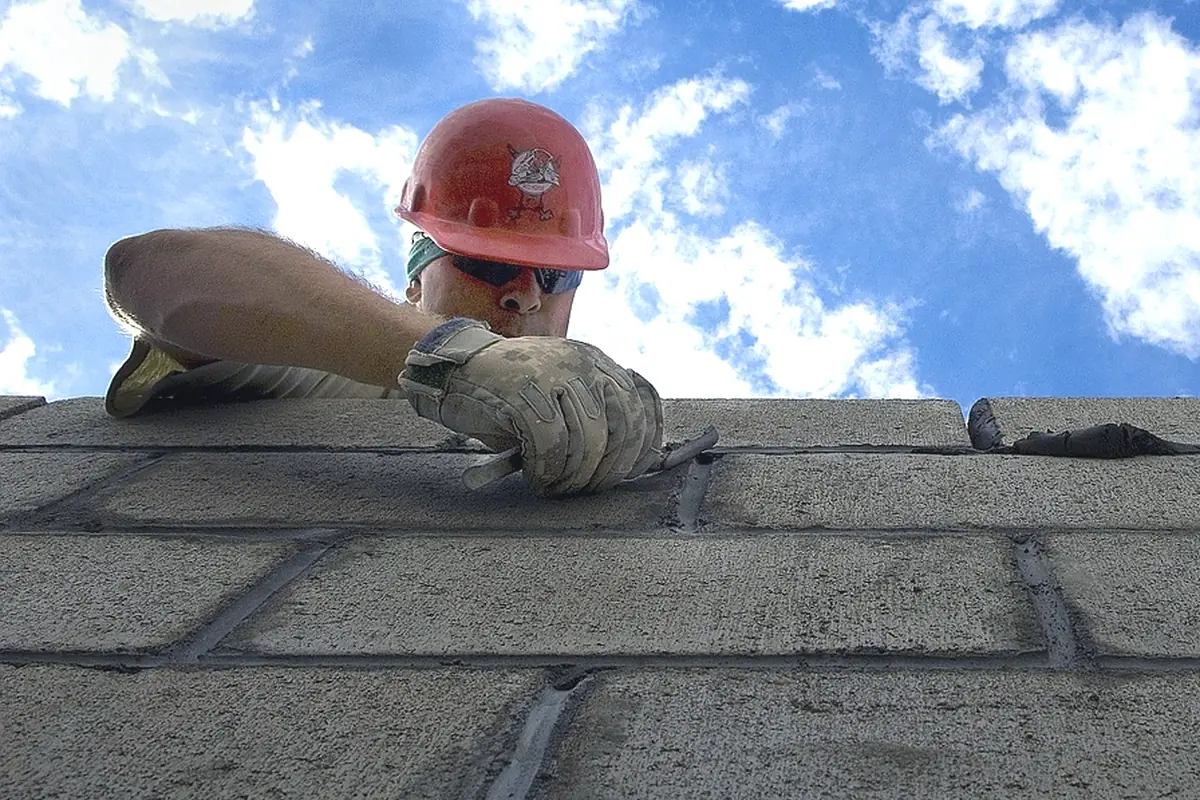
The photos, the order of the cards, and the cyan accent are how the page is read. They do not forecast job profit, and they are not a promise a lender will accept the file.
What happens when a line is wrong?
When a retainage clock, a sales tax path, or a description of the cleanup is wrong, the correction is written into the page a builder already opened. Name the page and the line when you call, and the correction is made in that same place. If the retainage clock was stated wrong, we rewrite it on the construction page where you already found it.
What does an ordinary month contain?
The repeating work is a monthly close on a construction file, statements that carry no assurance cover, a wage file stood up beside a provider the owner already chose, and a return prepared only after those months agree. Reading a contract for its tax path, posting a draw in the month the bills belong to, and leaving an unnamed deposit where you can still see it are that same work.
October is still a month that counts. A job that is fading can be faced while the year can still be changed, which is a different conversation from finding the fade the following spring.
Bring the contract, the last draw, and the bank statement for the month you stopped trusting. If a field change was agreed beside a slab and never written down, say that in ordinary words. A change that was never written down stays a question. We do not write a change order the crew only remembers.
Which reports stay unsigned here?
Steven Palmieri is not a CPA. On a construction cleanup we are the Alternative to a CPA firm for posting costs to jobs, closing the month, and preparing the return, and a cover that says the figures were examined still belongs at a firm allowed to sign it.
Payday on the crew is run by a payroll provider the owner already picked. What we stand up is the wage file, so hours land on the job that was built rather than in a pile called labor.
An audit cover, a review cover, and a compilation cover are three signatures this address will not make. We also will not step into an examination for you, and we will not file an appeal in your name. You can carry the folder to a firm that is allowed to sign. We keep sorting the job costs.
Keeping a builder's books, standing a wage file beside the provider who runs payday, preparing the return under a federal preparer number, and talking through the year are work Texas still permits without that license. A signature on examined figures is a different door. The Occupations Code sections 901.451, 901.453, and 901.456 are where that door is described, and the Texas State Board of Public Accountancy is who lists the people holding the license.
If a cleanup would require inventing a cost the invoices cannot support, that cost stays out. A cost the invoices cannot support waits on an open list until a document names it.
Who answers the phone?
Services on this site are provided by Steven Palmieri, Dallas, Texas. The phone sits in the dark band at the bottom of every page. No street and no mailbox are printed anywhere on these pages. The small block of machine readable facts near the top only repeats what these sentences already tell a person.
The person who sorts the job costs is the same practice that keeps the later months and prepares the return those months can support. The phone printed on a construction page reaches that practice, and no second shop stands behind the name.
Why do several addresses exist?
Each address in this practice is named for the kind of file the owner brought, which is why a builder lands here and a clinic lands somewhere else. A person holding job costs and a person who wants a different kind of month closed should not open on the same first screen. The names differ. The practice and the phone number do not. The practice hub is stevenpalmieri.com. The only link to that hub on this address sits in this paragraph. The sister addresses are not linked sideways.
What is a note from the form?
A note about a job stays only while we are answering that job, and we do not sell the note. What the form actually stores is written on the privacy page, including how a builder asks for it to be removed. The terms page says a first conversation is only talk, and no job starts until a scope is signed. Nothing is cleaned until a signed scope names which jobs are in it.
If the note names a house and the next job is a shop, say both. Those two do not share a sales tax path, and knowing that early keeps the first conversation from wandering into a menu tour.